Housing Disrepair Claims: The Complete Guide for Council and Housing Association Tenants
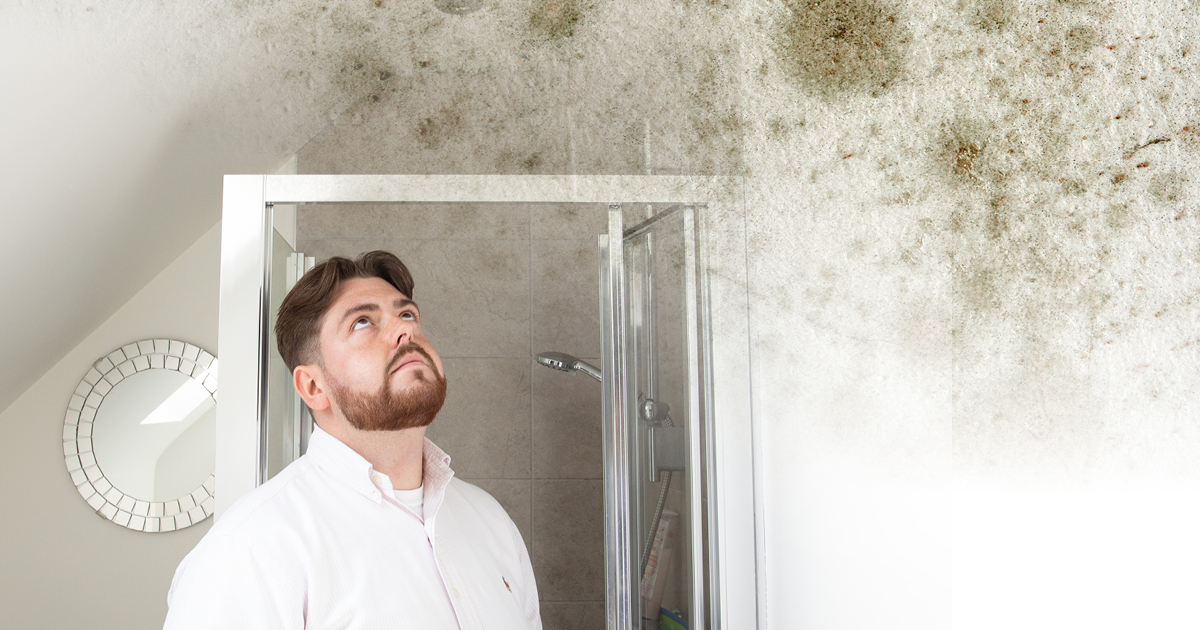
A housing disrepair claim is a legal claim against your landlord when they fail to repair your home after being told about a problem. If you rent from a council or a housing association, you can claim for the repairs to be carried out and for compensation covering the time you lived with the disrepair. Most claims settle without going to court, and most are funded on a no win no fee basis.
What counts as housing disrepair?
Housing disrepair is any damage or defect to your home that your landlord is legally responsible for repairing and has not fixed within a reasonable time.
The most common issues we see on council and housing association properties are:
Damp and black mould on walls, ceilings or around windows
Water leaks from roofs, pipes, gutters or the flat above
Broken boilers, no heating or no hot water
Faulty electrics, exposed wiring or repeated power failures
Rotten or draughty windows and doors that will not close or lock
Blocked drains, broken toilets, sinks and baths
Cracked walls, crumbling plaster or ceilings coming down
Rat, mouse, cockroach or insect infestations getting in through gaps in the building
Broken or missing handrails, banisters and stairs
Loose roof tiles, damaged guttering and failing brickwork
What does not count
Your landlord is not responsible for everything. These usually fall to you as the tenant:
Damage you, your family or your visitors caused
Normal wear and tear, such as faded paintwork or worn carpet
Your own furniture, appliances and decorations
Minor condensation you can manage with ventilation, where the building itself is sound
Anything you installed yourself
Who can make a housing disrepair claim?
You can usually claim if all four of these apply:
You rent from a council or a housing association. Secure, assured and introductory tenants are all covered.
The problem is your landlord's responsibility. This normally means the structure, the exterior, or the systems that supply heating, water, gas, electricity and sanitation.
You told your landlord. In writing is best. Your landlord generally cannot be held liable until they know about the problem.
They did not fix it in a reasonable time. What counts as reasonable depends on how serious it is. A total loss of heating in winter is far more urgent than a dripping tap.
You can still claim if you have rent arrears. You can still claim if you have moved out, as long as you are within the time limit.
The law behind your claim
Law | What it gives you |
|---|---|
Section 11, Landlord and Tenant Act 1985 | Your landlord must keep the structure and exterior in repair, and keep the heating, water, gas, electricity and sanitation installations in working order. |
Homes (Fitness for Human Habitation) Act 2018 | Your home must be fit to live in at the start of the tenancy and throughout it. This covers hazards such as damp and mould, not only things that are broken. |
Awaab's Law | Social landlords must investigate and fix dangerous hazards to strict legal deadlines. In force for damp, mould and emergencies since 27 October 2025, with more hazards added from 30 November 2026. |
Environmental Protection Act 1990 | If the disrepair is a statutory nuisance and a risk to health, you can take your landlord to the magistrates' court. |
Housing Health and Safety Rating System | The scoring system your council's environmental health team uses to rate hazards in your home under the Housing Act 2004. |
What can you claim for?
A housing disrepair claim gives you two things: the repairs, and money.
The repairs
The court can order your landlord to carry out specific works. In practice, most landlords agree a schedule of works during the claim rather than risk a court order.
General damages
This is compensation for the discomfort, inconvenience and distress of living with the problem. It is usually worked out as a percentage of the rent you paid while the disrepair continued.
Severity | Typical share of rent | What it looks like |
|---|---|---|
Minor | Around 10% to 25% | One room affected, home still usable |
Moderate | Around 25% to 50% | Several rooms affected, daily life disrupted |
Severe | Around 50% to 100% | Home barely habitable, rooms unusable, health affected |
These are broad ranges taken from how the courts have approached similar cases. They are not a guarantee of what any individual claim is worth.
Special damages
This is money back for things the disrepair actually cost you:
Furniture, carpets, curtains, clothing and bedding ruined by damp or leaks
Electrical items damaged by water
Higher energy bills from broken heating or draughts
Laundry, dehumidifiers or heaters you had to buy
Alternative accommodation if you had to move out
Redecoration
Personal injury
If the disrepair made you or your children ill, such as asthma triggered by mould, a respiratory infection, or an injury from a fall, that can be claimed as well, supported by your medical records.
Reported it and still nothing has been done?
Tell us what has happened and we will tell you where you stand. It takes about a minute and costs nothing.
Check if you can claimHow a housing disrepair claim works, step by step
Step 1. Report the problem in writing. Email or letter, not a phone call. Keep a copy. If you have already reported it verbally, send a written follow up now.
Step 2. Gather evidence. Photographs and videos with dates. A written diary of every call, visit and missed appointment. Your GP records if your health has suffered. Receipts for anything you have replaced.
Step 3. Speak to a solicitor. They will confirm whether you have a claim and arrange funding, normally on a no win no fee basis.
Step 4. Letter of claim. Your solicitor sends a formal letter of claim under the Pre Action Protocol for Housing Conditions Claims. Your landlord has 20 working days to respond and must disclose their repair records.
Step 5. Expert inspection. An independent surveyor inspects your home and produces a report setting out the disrepair, its cause and the cost of putting it right.
Step 6. Negotiation. Your landlord makes an offer covering the works and your compensation. Most claims end here.
Step 7. Court, if needed. If no fair offer is made, court proceedings are issued. Very few claims reach a final hearing.
How long do you have to claim?
Six years for the disrepair itself, running from when the problem started or when you first told your landlord.
Three years for any personal injury element, running from when you became ill or from when you knew the illness was linked to your home.
Children have until their 21st birthday to bring a personal injury claim.
If the disrepair is ongoing, the clock has not run out, but the earliest part of your claim may fall away, so it is worth acting now.
Can your landlord evict you for claiming?
Making a disrepair claim is not a legal ground for possession. As a council or housing association tenant you will normally hold a secure or assured tenancy, which means your landlord can only seek possession on one of the specific grounds set out in law, and a court has to agree. Wanting to be rid of a tenant who complained is not one of those grounds.
If your landlord threatens you after you complain, that is itself something a solicitor can act on.
Frequently asked questions
Do I need a solicitor to make a housing disrepair claim?
No, but most tenants use one. Councils and housing associations have legal teams, and claims involve expert surveyors, protocol deadlines and disclosure rules. Solicitors normally act on no win no fee.
Will it cost me anything?
Under a no win no fee agreement you pay nothing upfront and no fee if the claim fails. If you win, a success fee is deducted from your compensation. Ours is capped at 25%. An After the Event insurance premium is normally deducted as well, and every deduction is set out in writing before you sign anything.
Can I claim if I am in rent arrears?
Yes. Arrears do not stop you claiming, although any compensation may be set against what you owe.
Can I stop paying rent until repairs are done?
No. Withholding rent puts you at risk of eviction. There is a legal repair and deduct route, but it has to be followed exactly, so take advice first.
How much compensation will I get?
It depends on how bad the disrepair was and how long it lasted. Awards commonly range from a few hundred pounds for minor short lived problems to several thousand for years of severe disrepair.
How long does a claim take?
Straightforward claims settle in around three to six months. Complex or disputed claims can take twelve months or more.
Start your claim
If your council or housing association has left you with damp, mould, leaks, no heating or any other unrepaired problem, you may be able to have the work done and be compensated for the time you have lived with it. No cost, no obligation.
Check if you can claimThis page is general information, not legal advice. Every claim turns on its own facts. Speak to a qualified solicitor about your circumstances.
:quality(80))
:quality(80))
:quality(80))